
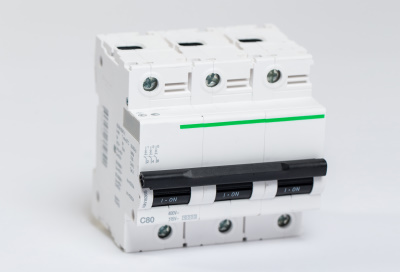
Surge Protective Devices (SPD)
Surge Protective Devices (SPD) are used to protect the electrical installation from electrical power surges, which can consist of the consumer unit, wiring and accessories.
They are also used to protect sensitive electronic equipment connected to the installation, such as computers, televisions, washing machines etc, including fire detection systems and emergency lighting.
Equipment with sensitive electronic circuitry can be vulnerable to damage from electrical power surges.
The after-effects of a surge may result in either instant failure or damage to the equipment, which may only be evident over a longer period. SPD’s are usually installed within the consumer unit to protect the electrical installation, but different types of SPD are available to protect the installation from other incoming services, such as telephone lines and cable TV. However, it is important to remember that protecting the electrical installation alone and not the other services could leave another route open for electrical power surges to enter the installation.
There are three different types of Surge Protective Devices:
|
Type 1 SPD |
Installed at the origin, (main distribution board) |
|
Type 2 SPD |
Installed at sub-distribution board |
|
|
(Combined Type 1 & 2 SPD’s are available and are usually installed in consumer units) |
|
Type 3 SPD |
Installed close to the protected load. (These must only be installed as an addition to Type 2 SPD) |
Do I have to have SPD’s installed?
IET Wiring Regulations, BS 7671:2018, states that unless a risk assessment is carried out, protection against electrical power surges shall be provided where the consequence caused by overvoltage could:
- Result in serious injury to, or loss of, human life; or
- Result in interruption of public services and/or damage to cultural heritage; or
- Result in interruption of commercial or industrial activity; or
- Affect a large number of co-located individuals.
This regulation applies to all types of premises which include domestic, commercial and industrial.
This applies to all new build and properties being rewired and it is necessary to ensure all modified circuits comply with the latest regulations. However, this will only be beneficial if SPDs are installed to protect the whole installation.
It is also worth checking with your insurance company as some policies may state that equipment must be covered with an SPD or they will not pay out in the event of a claim


